Used clothing store
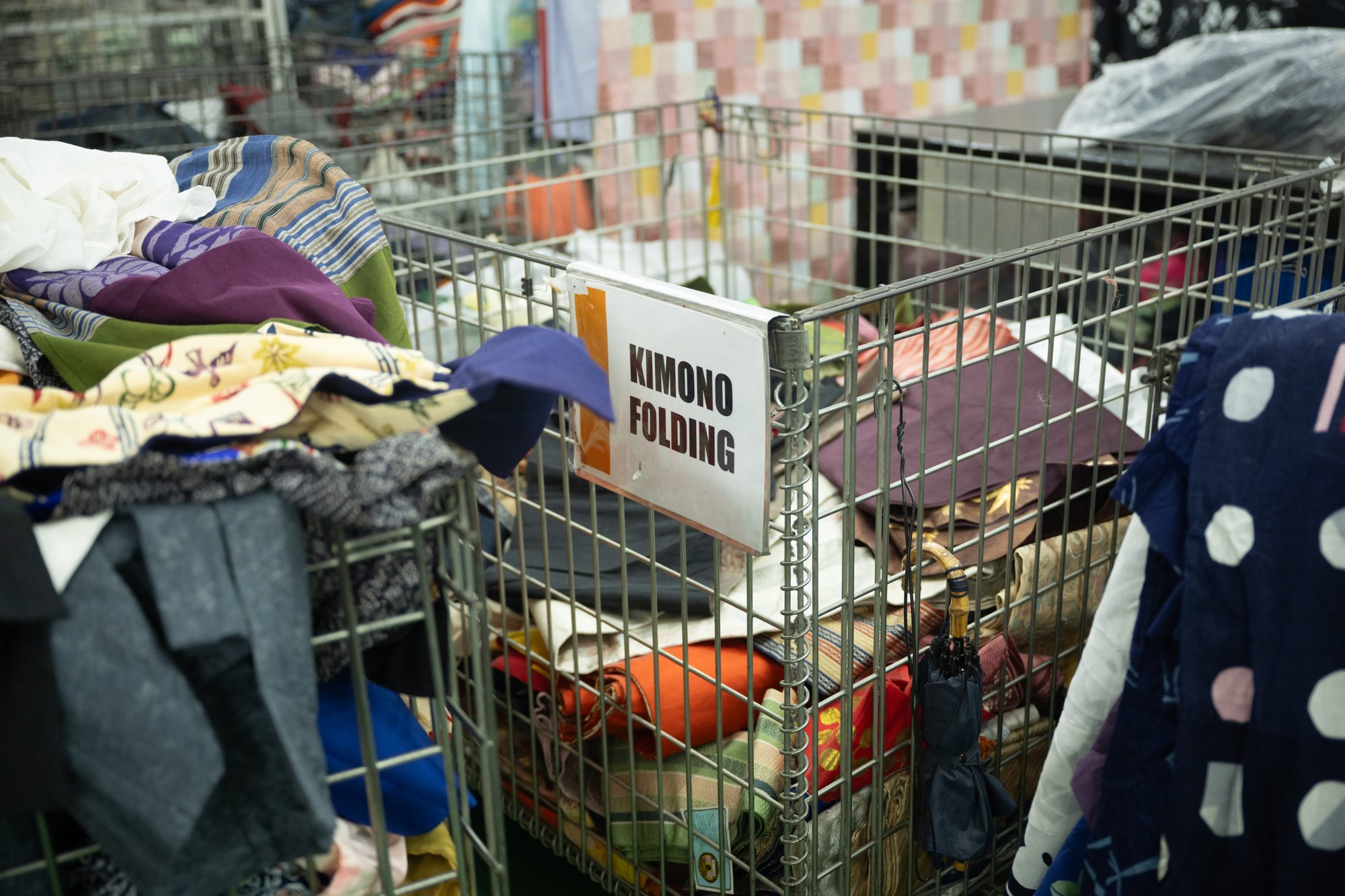
A culture of buying and selling used clothing developed and supported the daily lives of ordinary people. Wearing used clothing was a common practice in the Edo period.
TEXTILE RECYCLING
Current state
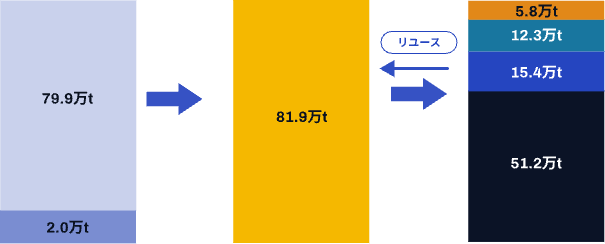
Percentage of discarded clothing that is disposed of (in Japan)
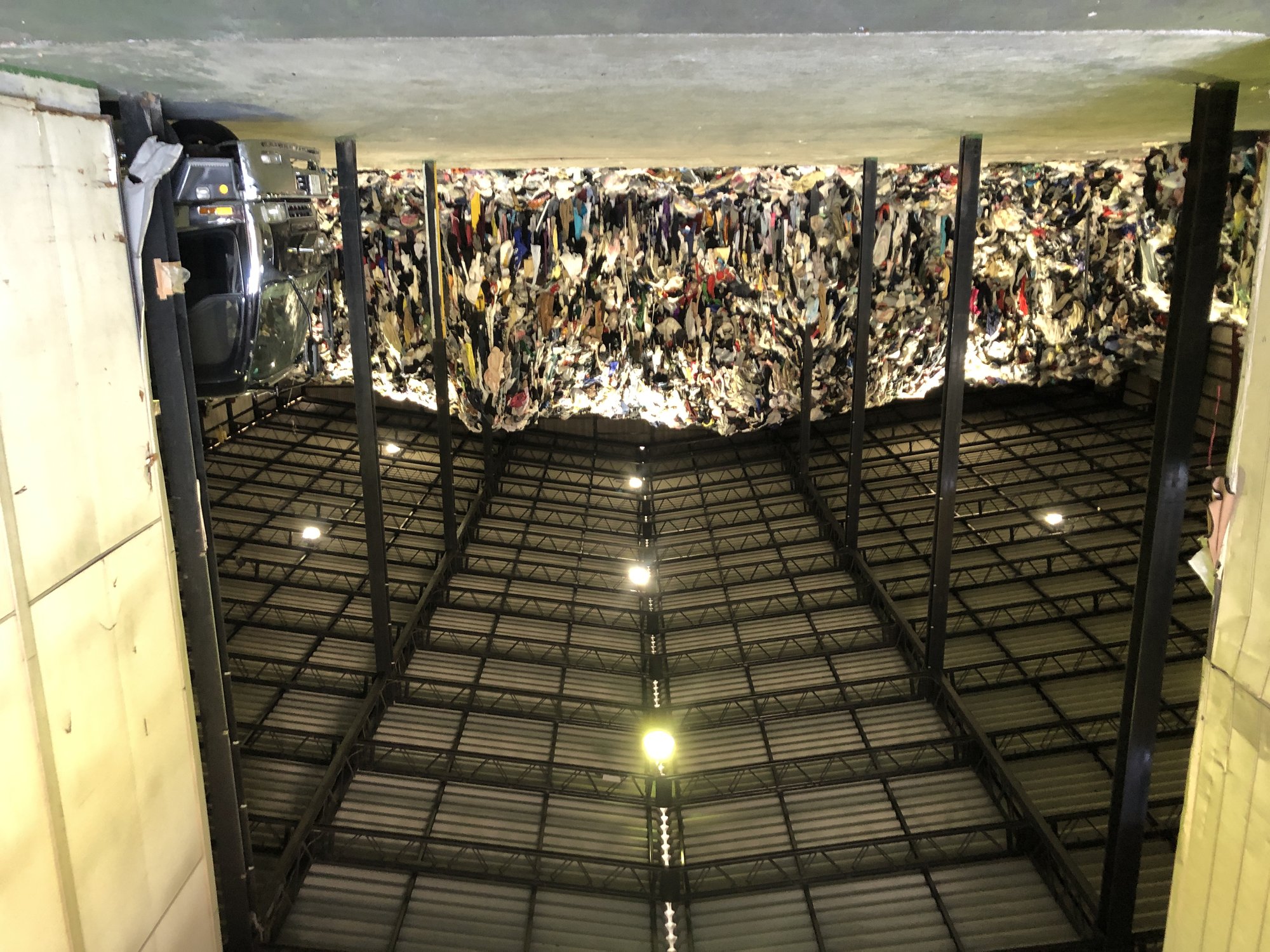
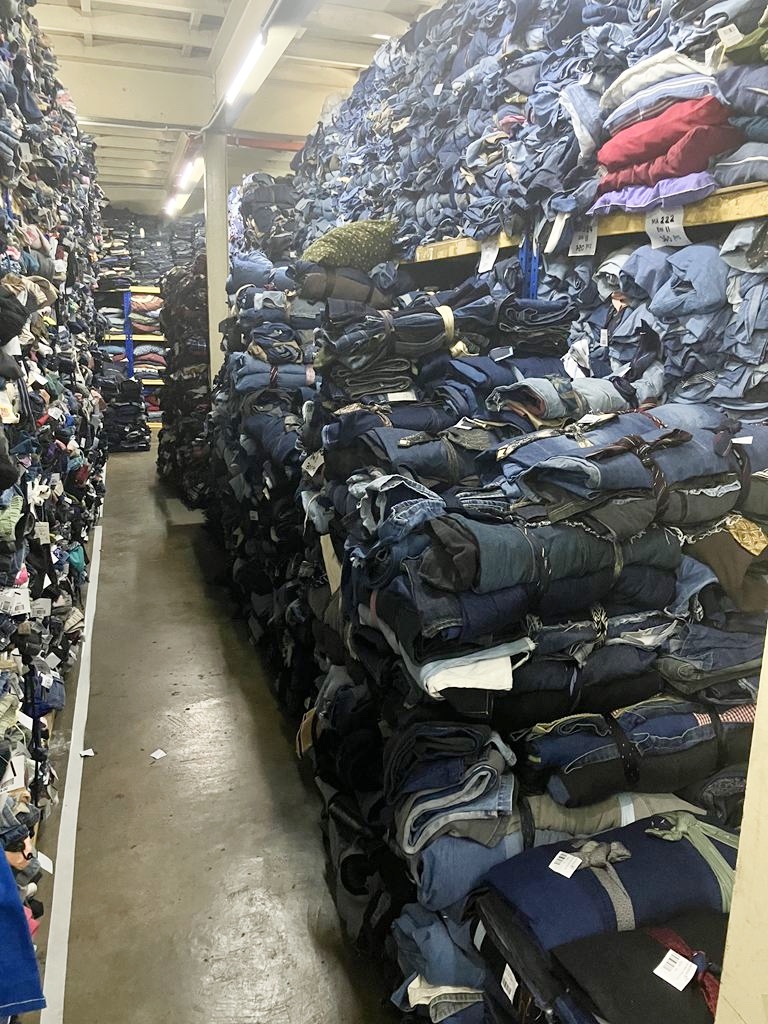
Clothing, which is essential to our daily lives, is not being fully utilized as a resource even after it has served its purpose.Approximately 790,000 tons of clothing are discarded annually by businesses and households. Of this amount, about 641,000 tons are sent to landfills, with only a small fraction being recycled or reused. Furthermore, the reality is that much of what is recycled is limited to single-use applications such as rags or felt.
By establishing systems for collection, sorting, and recycling, we will change this flow, even if only slightly.
Japan relies on imports for more than 90% of its clothing. Households discard as much as 75.1 tons of clothing, 66% of which ends up as waste.
In addition, the 34% is recycled or reused.
*Source: Created by our company based on the Ministry of the Environment's "Fiscal Year 2020 Survey on Fashion and the Environment, 'Fashion and the Environment' Survey Results."
https://www.env.go.jp/policy/pdf/st_fashion_and_environment_r2gaiyo.pdf
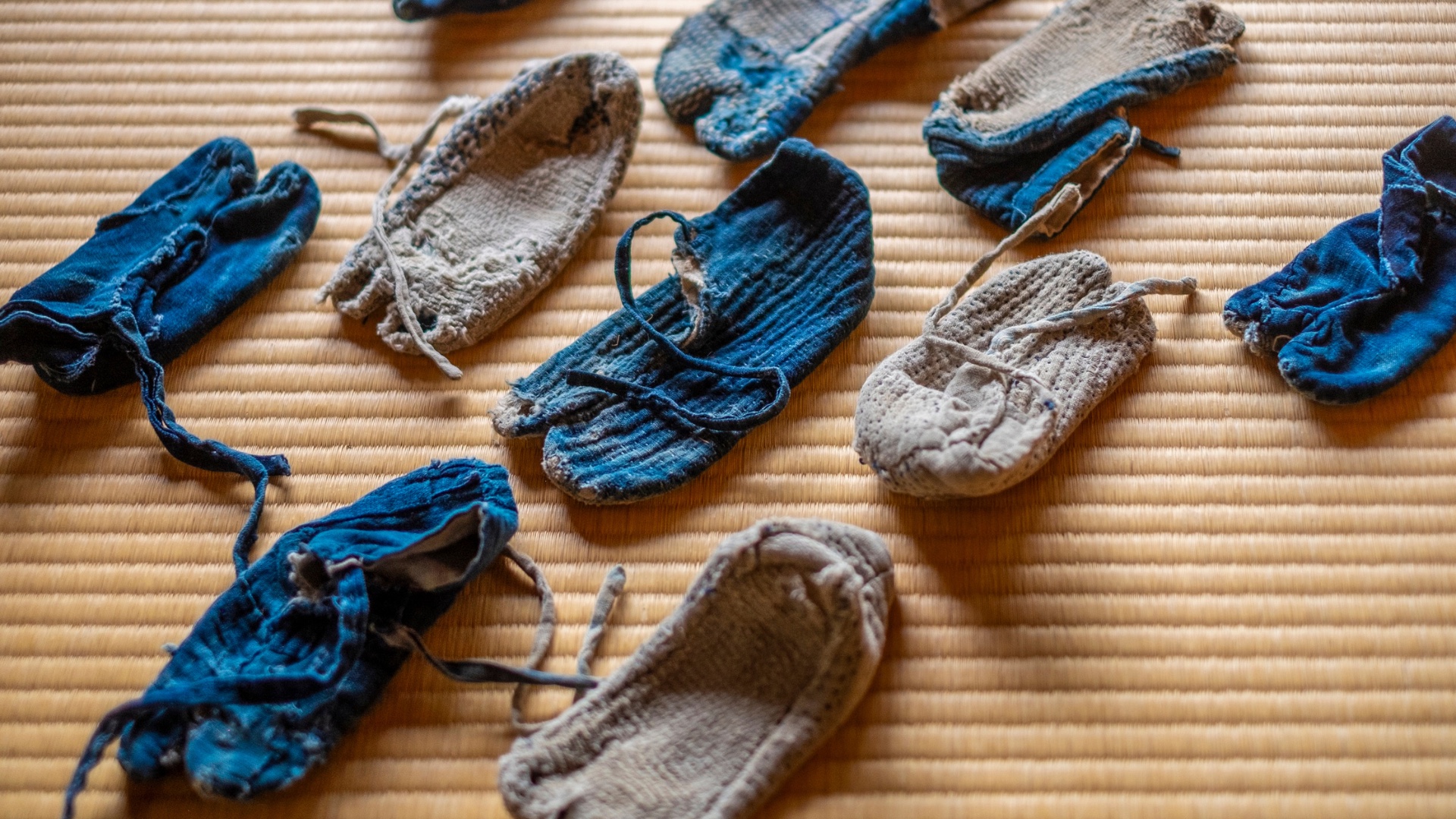
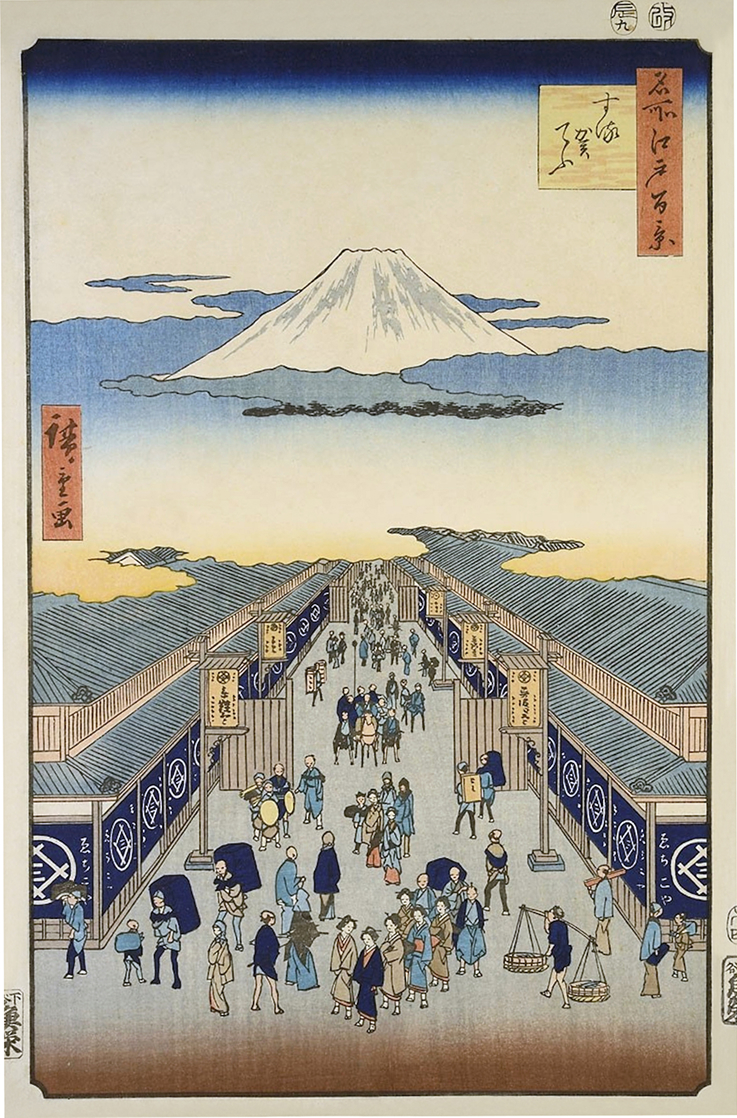
Edo period Japan was a recycling society to be proud of worldwide. The spirit of "mottainai" (what a waste) was deeply ingrained, with clothing being re-tailored multiple times and finally used up as rags or fuel.
In an era when textiles were expensive, common people would buy used clothing, wear it until it was threadbare, and even the remaining scraps would be collected by specialized dealers known as "boro-kai" (rag buyers). Textiles never became "trash" and were utilized to the very end.
A culture of buying and selling used clothing developed and supported the daily lives of ordinary people. Wearing used clothing was a common practice in the Edo period.
Kimono were remade for children, allowing a single garment to be used across generations. The kimono had a structure designed for recycling, with a full bolt of cloth cut into straight lines without waste, maintaining the same proportions.
During the Edo period, there were specialized merchants who carried furniture on their backs, collected worn-out cloth, paper scraps, and scrap iron, and transformed them into recycled paper and fuel. The streets of Edo were alive with the wisdom of utilizing resources to the very end.
Recycling Process
There are two main types of futon recycling: "reform" and "recycled cotton."
Recycling futons is hardly done in Japan anymore because it's not profitable enough for the amount of work involved.
However, we relocated the opener to Malaysia and continue to recycle futons there. We are still inheriting and evolving the idea of "making the most of things."
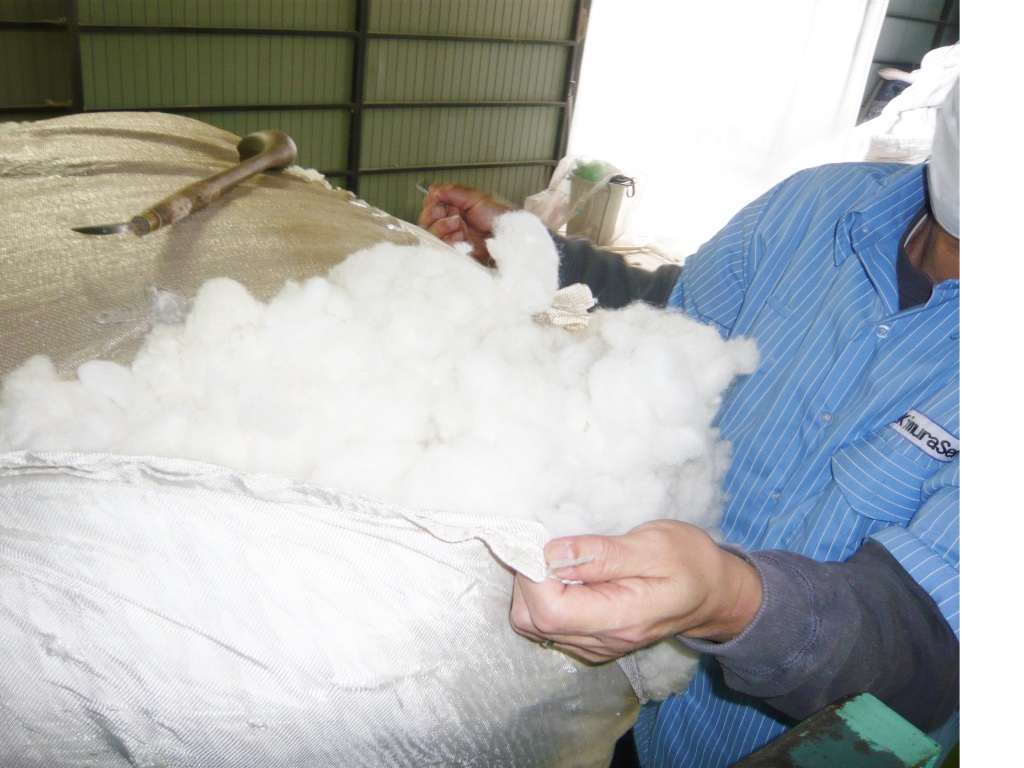
Reform
A method to extract the batting, clean and reprocess it, and revive it as a new futon. Your old futon will be reborn as good as new.
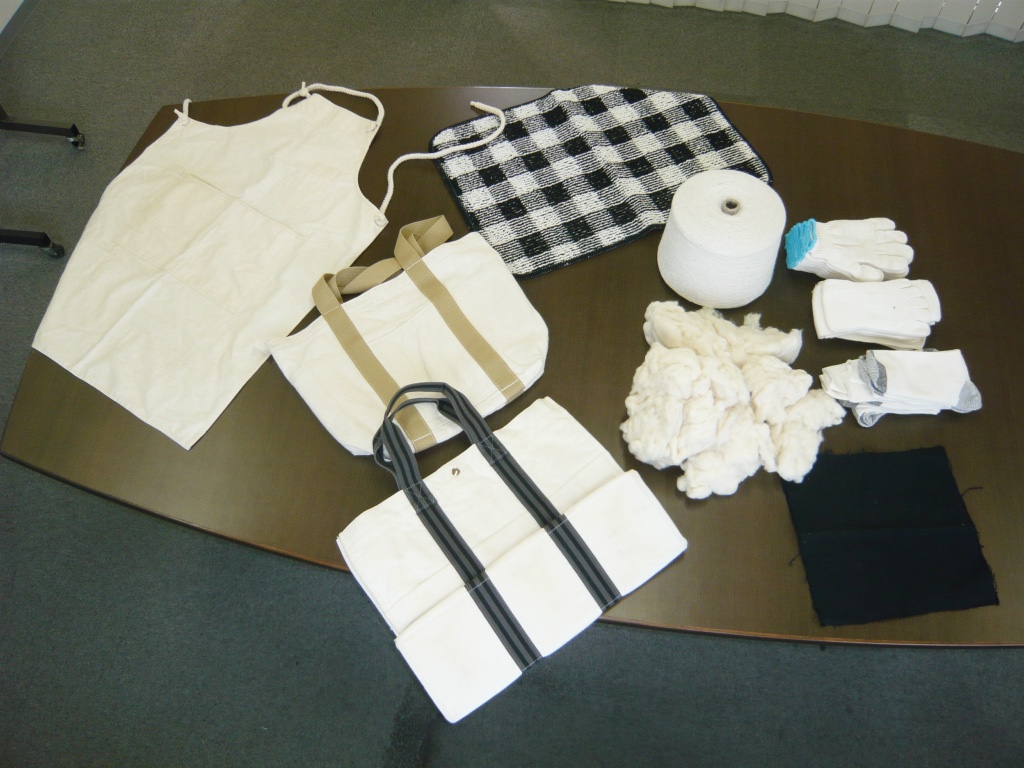
Recycled cotton
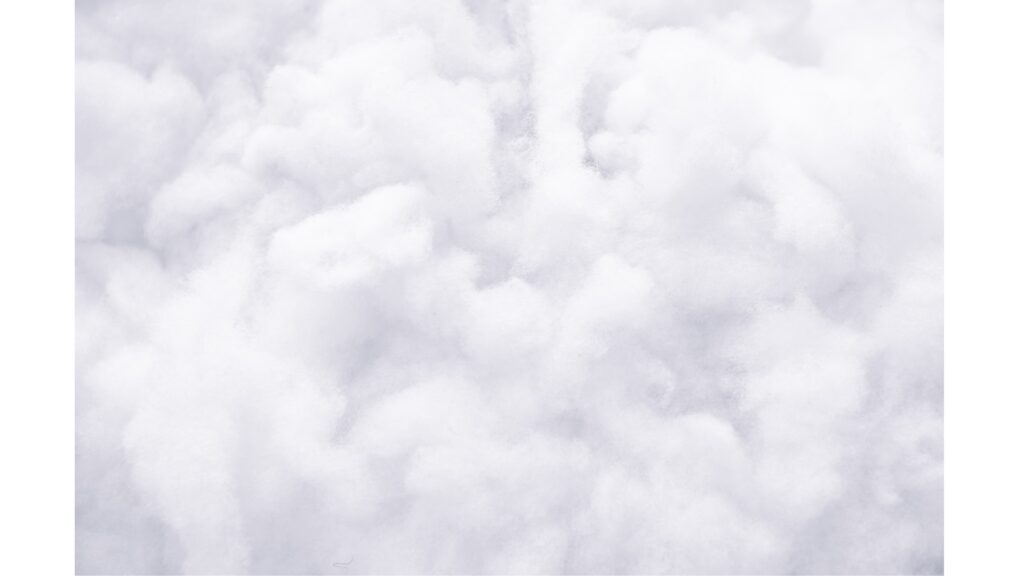
How to transform recovered cotton into yarn, allowing it to be reborn into new products. After being regenerated into cotton, it can be used in various products such as fabrics and work gloves.
WIPING CLOTH
We supply various recycled cottons regenerated from futons.
We have synthetic fibers, down filling, red cotton, wool, and semi-wool.
Ozone sterilized. Please feel free to consult us regarding usage, lot, etc.
RESOURCE & CO₂ REDUCTION
Currently, resource conservation and CO₂ reduction are global challenges for the next generation. Many companies are being called upon to address waste reduction, recycling, and CO₂ emission reduction. According to a survey by the Ministry of the Environment, approximately 25.5 kg of CO₂ is emitted and 2,300 L of water are consumed to produce one article of clothing.
Don't let textiles go to waste. Simply by doing so, you can continue to reduce the burden on the Earth in unseen ways. We support resource circulation throughout society through textile recycling. Will these activities not become increasingly important for a sustainable society in the future?
CO₂ is emitted
Water is consumed
Source: Ministry of the Environment "The Current State of Fashion and the Environment"
https://www.env.go.jp/policy/sustainable_fashion/about/
FUTURE VISION
We are actively expanding our textile recycling efforts overseas. We are also working on recycling for industrial rags and felt materials.
In the future, it will be important to have a sense of participation not only in "entry = resource recovery" but also in "exit = use of recycled products" for recycling. For example, when constructing public facilities or residences, actively using insulation and soundproofing materials made from recycled fibers will increase the recycling rate of fibers, leading to "waste reduction," "resource conservation," and "CO₂ reduction."
Would you like to think more deeply with us about the future of textile recycling?
CONTACT US
Companies and organizations considering or concerned about decarbonization and environmental measures,
Please feel free to consult with me.